Discover Płock, one of Poland’s oldest cities and a former royal capital. Explore its medieval heritage, stunning cathedral, riverside setting, museums, culture, industry and modern attractions.
Few Polish cities can claim to have shaped the nation's history quite like Płock. Perched high above the Vistula River in north-western Mazovia, this attractive city combines over a thousand years of heritage with modern industry, vibrant cultural life and a strong sense of local identity.
While visitors often focus on Poland's better-known destinations, Płock quietly tells one of the country's most remarkable stories. Once the capital of Poland, home to medieval rulers and bishops, and today one of the nation's most important industrial centres, the city offers an impressive blend of history, architecture, culture and riverside charm.
For anyone interested in discovering a different side of Poland, Płock deserves a place on the itinerary.
One of Poland's oldest cities
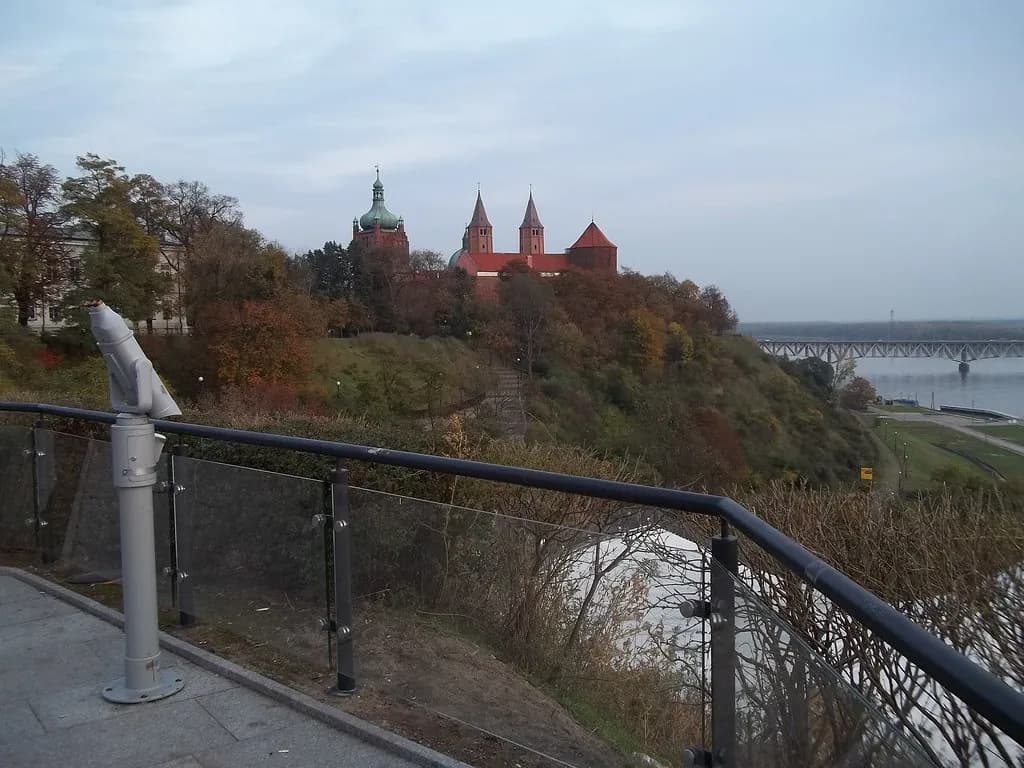
Płock's origins stretch back to the 9th and 10th centuries, when a pagan settlement occupied what is now Cathedral Hill (Wzgórze Tumskie). Thanks to its commanding position overlooking the Vistula River, the settlement quickly developed into a fortified stronghold during the early Piast period.
Its strategic location at the intersection of important trade and river routes made Płock one of the emerging centres of the early Polish state. Even before the Christianisation of Poland in 966, the settlement was already recognised as an important princely residence. Around 1009, a Benedictine monastery was established, helping transform the city into a centre of education, religion and culture.
The city that became Poland's capital
One of Płock's greatest historical distinctions is its role as the capital of Poland between 1079 and 1138.
During this period, the city served as the principal royal residence under Duke Władysław I Herman and his son, Bolesław III Krzywousty (Boleslaus the Wrymouth). Political decisions that shaped medieval Poland were made here, making Płock one of the country's earliest seats of power.
Following the fragmentation of the Polish kingdom in 1138, Płock remained highly influential as the capital of the Duchy of Masovia, governed by successive Masovian dukes. The city later received official town privileges in 1237, encouraging commercial development that strengthened its position as a thriving trading centre.
Cathedral Hill remains the city's heart
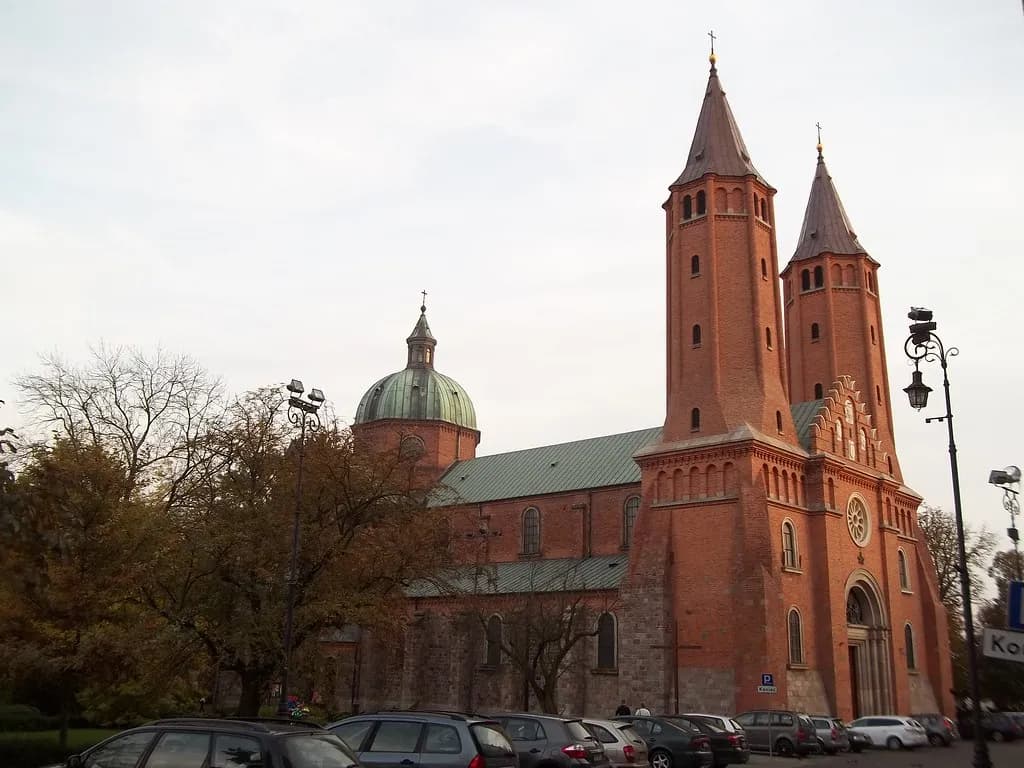
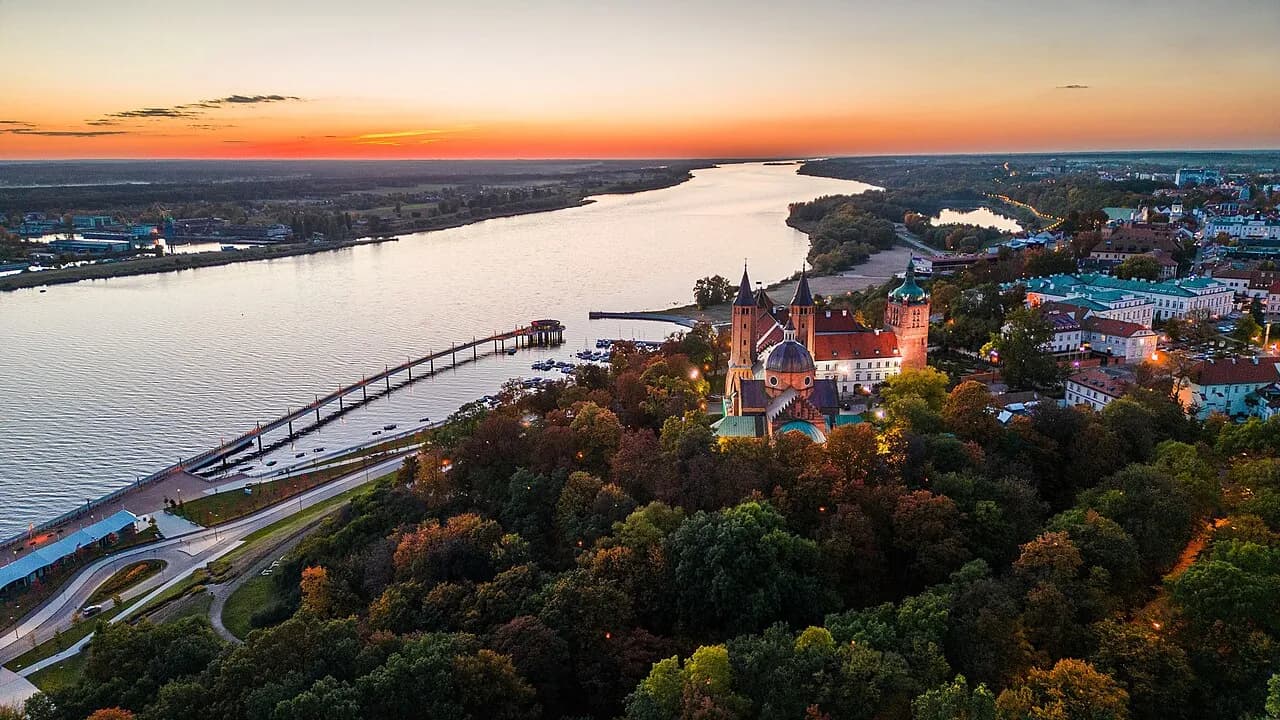
Today, the skyline is dominated by the magnificent Cathedral Basilica of the Assumption of the Blessed Virgin Mary, one of the most important Romanesque churches in Poland.
Consecrated in 1144 and rebuilt several times over the centuries, the cathedral preserves significant Romanesque features while incorporating Renaissance additions. Most notably, it contains the royal tombs of Władysław Herman and Bolesław III Krzywousty, making it one of Poland's most significant royal burial sites outside Kraków.
Visitors entering the cathedral will also find a faithful replica of the famous Romanesque Płock Doors. The original bronze doors, created in the 12th century by craftsmen from Magdeburg, are now preserved in Veliky Novgorod, Russia, while the modern replica allows visitors to appreciate one of medieval Europe's finest examples of bronze craftsmanship.
Surrounding Cathedral Hill are further reminders of the city's importance, including the former Benedictine Abbey, surviving sections of the medieval castle and the Diocesan Museum, whose treasury houses priceless religious artefacts collected over many centuries.
A city shaped by faith
Religion has played a central role in Płock for nearly a millennium.
The Roman Catholic Diocese of Płock was established in 1075, making it one of Poland's oldest dioceses. Since then, generations of bishops have overseen one of the country's most historically significant ecclesiastical centres.
The city is also associated with Saint Faustina Kowalska, whose connection to Płock occupies an important place in the history of the Divine Mercy devotion. Today, visitors can explore the Saint Faustina Museum and sanctuary commemorating her life and spiritual legacy.
Culture beyond the history books
Although medieval heritage defines much of Płock's identity, the city offers far more than historic monuments.
The Museum of Mazovia is widely regarded as one of Poland's finest collections of Art Nouveau decorative art. Beautifully restored interiors showcase furniture, glassware, ceramics and design from the late 19th and early 20th centuries, giving visitors an insight into an elegant period of European artistic development.
Płock is also home to Małachowianka, widely recognised as the oldest continuously operating school in Poland, with origins dating back to 1180. Generations of students have passed through its classrooms, making it an enduring symbol of Polish education.
The city's cultural calendar is equally impressive. Summer brings a lively programme of festivals, concerts and family events, while Audioriver has established itself as one of Poland's leading electronic music festivals, attracting visitors from across Europe. Traditional events such as Płock History Days and the Tumski Fair celebrate the city's heritage alongside modern entertainment.
Industry powers the modern city
Płock's contemporary identity is closely linked with industry.
The establishment of the Orlen refinery in 1964 transformed the local economy, creating one of Europe's largest refining and petrochemical complexes. Today, energy, chemicals, plastics manufacturing and engineering remain major employers, giving Płock national economic significance that extends well beyond the Mazovia region.
Alongside heavy industry, education, healthcare, retail and tourism contribute to a diverse local economy that continues to evolve.
Life on the Vistula
The Vistula remains central to everyday life in Płock.
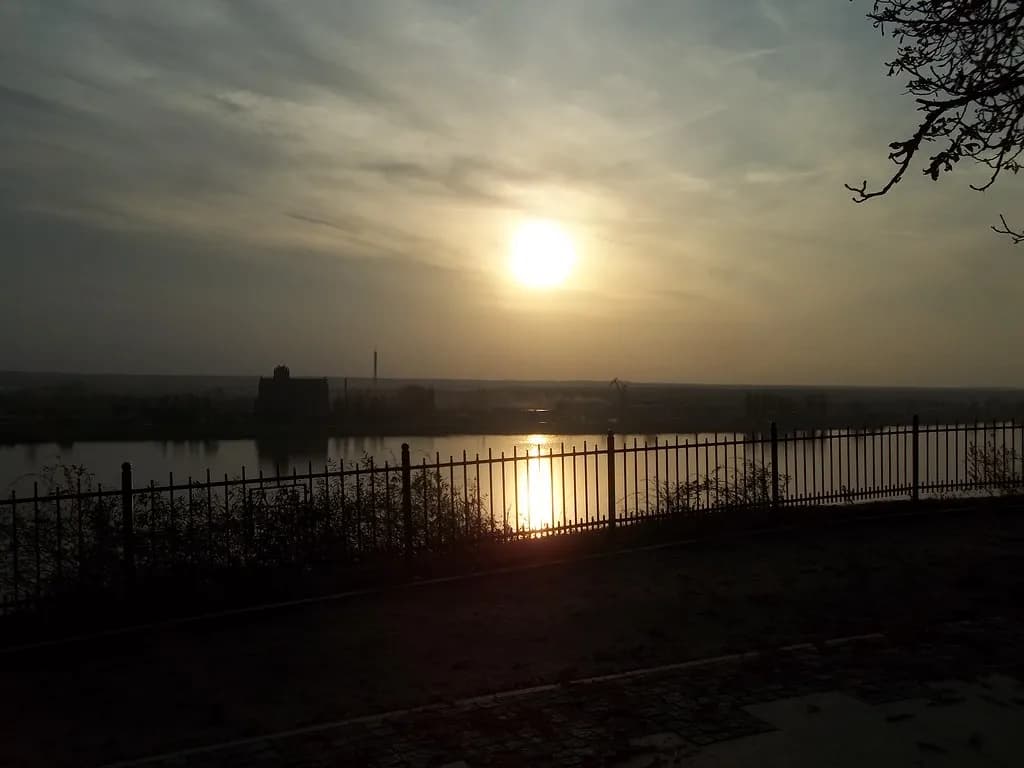
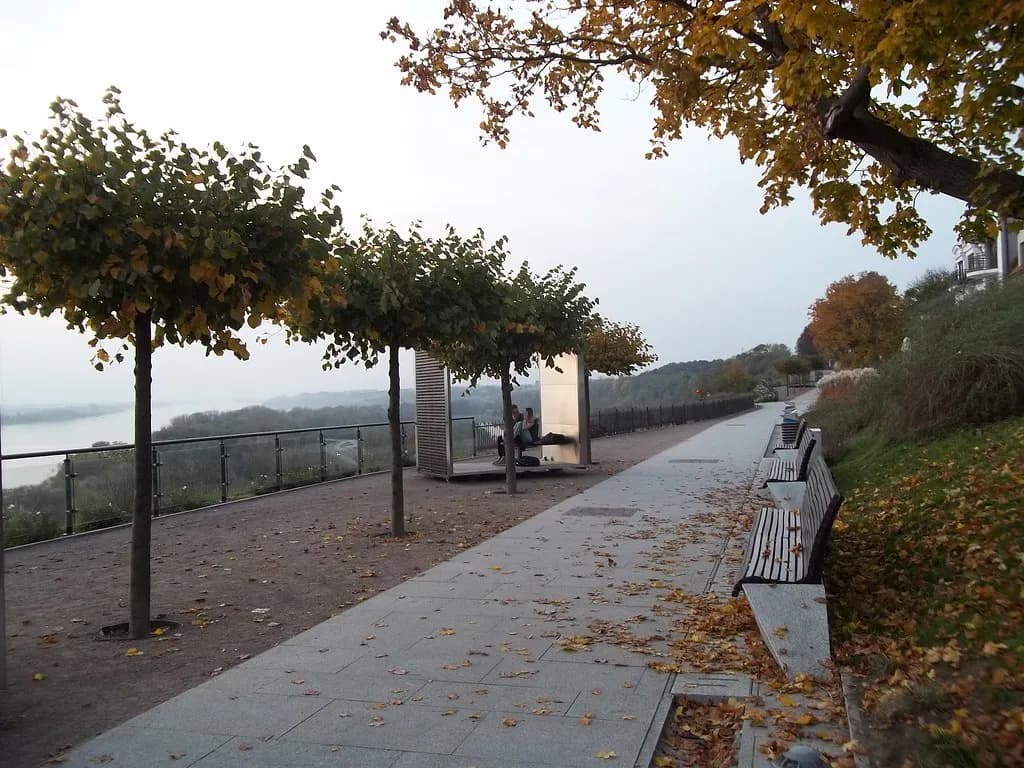
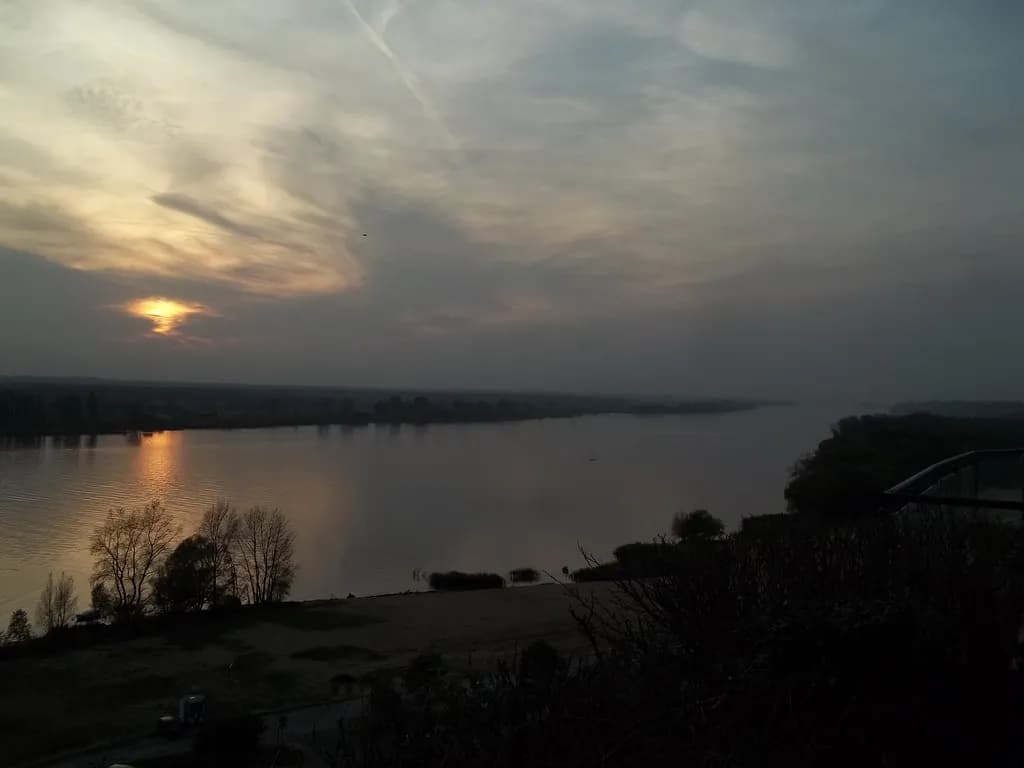
Its elevated riverbank provides some of Poland's most impressive urban panoramas, while riverside boulevards, beaches and green spaces offer residents and visitors opportunities for walking, cycling and relaxation throughout the warmer months.
The city's dramatic position above the river has inspired painters, photographers and writers for generations and continues to define Płock's distinctive character.
Sporting pride
Sport is another important part of community life.
Wisła Płock has long represented the city in Polish football, while handball enjoys a particularly strong following thanks to the success of ORLEN Wisła Płock, one of the country's leading clubs. Sporting achievements have helped strengthen civic pride and bring national attention to the city.
Looking ahead while honouring the past
Płock has survived political upheaval, partitions, foreign occupation and the destruction of the Second World War. During the German occupation, the city was renamed Schröttersburg before returning to Poland following the war and beginning another chapter of reconstruction and development.
Today, visitors encounter a city that successfully balances its medieval heritage with modern ambitions. Historic monuments sit alongside contemporary industry, while museums, festivals, education and sport continue to enrich community life.
More than simply a former capital, Płock represents the continuity of Polish history. Its royal legacy, religious importance, cultural institutions and spectacular riverside setting combine to create one of the country's most fascinating destinations. For those seeking to understand the story of Poland beyond its largest cities, Płock offers an unforgettable journey through more than a thousand years of history.